





Wooden furniture has long been admired for its natural warmth, timeless charm, and unmatched durability. From traditional households to modern apartments, wood continues to be a preferred choice among homeowners who value craftsmanship and character. Yet, as design preferences evolve, some people question whether wooden furniture is still practical compared to newer materials like metal, glass, or engineered boards.
In this article, we’ll explore the advantages and disadvantages of wooden furniture, helping you understand why this classic material still holds a special place in homes and offices across the world.
Why Wooden Furniture Remains a Timeless Choice
The appeal of wooden furniture lies in its ability to combine function with artistry. Each piece carries a unique grain pattern and texture that synthetic materials can’t replicate. Beyond looks, wood also reflects a connection with nature — making it ideal for creating warm, inviting spaces in both home and office environments.
Whether it’s a handcrafted dining table, a sleek ergonomic desk, or a rustic coffee table, wooden furniture brings authenticity and depth to interior spaces. Its versatility allows it to blend seamlessly with various décor styles — from minimal Scandinavian homes to bold, industrial setups.
Advantages of Wooden Furniture
1. Durability and Longevity
One of the biggest benefits of wooden furniture is its incredible lifespan. Solid wood pieces, especially those made from hardwoods like acacia, sheesham, or teak, can last for decades when properly cared for. Unlike particle boards or laminates that deteriorate over time, real wood strengthens with age and can even be restored through refinishing or repolishing.
2. Timeless Aesthetic Appeal
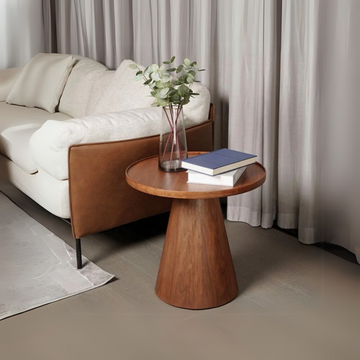
Wood’s natural beauty never goes out of style. Its warm tones and organic patterns add character to any space — whether it’s a modern living room or a rustic dining area. Furniture such as Coffee and Center tables, Nesting tables, or End & Side Tables crafted from solid wood enhances both aesthetics and comfort, giving rooms a balanced, sophisticated look.
3. Eco-Friendly and Sustainable Option
When responsibly sourced, wood is one of the most sustainable furniture materials. Many modern manufacturers use FSC-certified or reclaimed wood, ensuring minimal environmental impact. Choosing solid wood furniture supports a greener lifestyle and reduces dependence on non-biodegradable materials like plastic or MDF.
4. Easy to Maintain and Repair
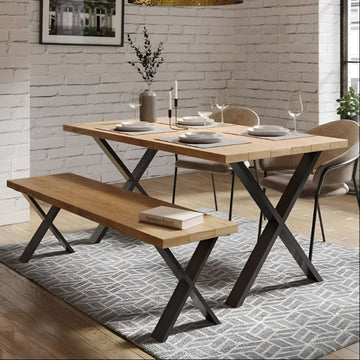
Unlike other materials that require replacement when damaged, wooden furniture can be easily repaired. Minor scratches can be buffed out, and faded finishes can be restored with polish. Simple cleaning with a dry or slightly damp cloth helps maintain its natural sheen. With occasional care, a well-crafted Wooden Dining Table or Dining Table Set can look as stunning as new for years.
5. Customization Possibilities
Another reason why wooden furniture remains so popular is its adaptability. From minimalist to ornate designs, it can be tailored to fit your space and personality. Whether you’re designing a modern Dining & Kitchen setup or a functional ergonomic workstation, wood allows endless creative possibilities in shape, texture, and finish.
Disadvantages of Wooden Furniture
1. Susceptible to Moisture and Termites
The biggest drawback of wooden furniture is its sensitivity to humidity and pests. Excess moisture can cause swelling or warping, while untreated wood is vulnerable to termites. However, proper seasoning, polishing, and the use of anti-termite finishes can prevent most of these issues.
2. Higher Initial Cost
High-quality solid wood furniture often comes at a premium price compared to MDF or metal alternatives. But this cost reflects craftsmanship, longevity, and sustainability — making it a long-term investment rather than an expense. When cared for, a solid wood dining table can serve generations, outlasting cheaper options.
3. Requires Regular Maintenance
Wood requires periodic care to preserve its appearance. Polishing once or twice a year, avoiding direct sunlight, and using coasters or mats can protect the surface from stains or fading. While it may seem demanding, this upkeep ensures your furniture retains its natural charm for decades.
4. Heavy and Less Portable
Wooden furniture tends to be heavier than plastic or metal options, making it difficult to move frequently. For those who like to rearrange interiors often, this might be inconvenient. However, its weight also makes it stable and reliable, ideal for fixed setups like Dining Table Sets or Ergonomics Tables used in home offices.
Wooden vs. Metal or Plastic Furniture
Comparing wooden furniture with other materials reveals how each serves different purposes.
- Metal furniture is lightweight and sleek but can feel cold and industrial.
- Plastic furniture is inexpensive but lacks durability and elegance.
- Engineered wood furniture is affordable but prone to moisture damage.
On the other hand, solid wood furniture balances strength, design flexibility, and sustainability. The unique grain of natural acacia or teak wood provides unmatched texture and warmth — something synthetic materials simply can’t duplicate.
How to Choose the Right Wooden Furniture for Your Home
Selecting the perfect wooden piece requires attention to both design and quality. Here are some practical tips:
- Check the type of wood: Hardwoods like acacia, oak, or sheesham last longer.
- Inspect the joinery: Look for mortise and tenon joints instead of screws or glue.
- Assess the finish: A smooth, well-polished surface indicates craftsmanship.
- Match it with your décor: Choose tones that complement your interior theme.
- Prioritise functionality: Opt for designs suited for daily use, such as dining tables, nesting tables, or ergonomic desks.
By following these steps, you can find pieces that combine longevity, comfort, and style — perfect for any room in your home.
Conclusion — Is Wooden Furniture Worth It?
Despite a few disadvantages, wooden furniture remains one of the best choices for anyone seeking elegance, strength, and sustainability. Its enduring charm and versatility make it suitable for every corner of your home — from the dining room to your home office.
At Woodensure, we believe every piece of wooden furniture tells a story — one of craftsmanship, quality, and natural beauty that lasts a lifetime.
Looking to upgrade your interiors with timeless solid wood pieces? Explore the handcrafted wooden collections at Woodensure.in today.
Frequently Asked Questions
1. What makes wooden furniture so popular?
Its timeless beauty, strength, and natural charm make it a top choice for home décor.
2. Which type of wood is best for furniture?
Hardwoods like acacia, teak, and sheesham are considered durable and visually appealing.
3. Is solid wood furniture worth the investment?
Yes, it lasts for decades and adds significant aesthetic and resale value to your home.
4. How can I protect wooden furniture from termites?
Regular polishing and using anti-termite treatments help prevent damage.
5. What are the benefits of acacia wood furniture?
Acacia wood is durable and water-resistant and has a distinctive grain that enhances interiors.
6. How often should I polish my wooden furniture?
Polishing once or twice a year helps maintain shine and protect the wood’s surface.
7. Can wooden furniture suit modern homes?
Absolutely. Wooden pieces like minimalist coffee tables or ergonomic desks suit contemporary spaces perfectly.
8. What’s the difference between hardwood and softwood?
Hardwoods are denser and more durable, while softwoods are lighter and easier to shape.
9. Does wooden furniture require special maintenance?
Regular cleaning, avoiding moisture, and using protective mats are sufficient for upkeep.
10. Is wooden furniture eco-friendly?
Yes, when made from sustainably sourced wood, it’s an environmentally responsible choice.
11. How does solid wood compare to engineered wood?
Solid wood is stronger and lasts longer, while engineered wood is more affordable but less durable.
12. Can wooden furniture be used outdoors?
Yes, but only if it’s treated or coated to withstand weather and humidity changes.


